
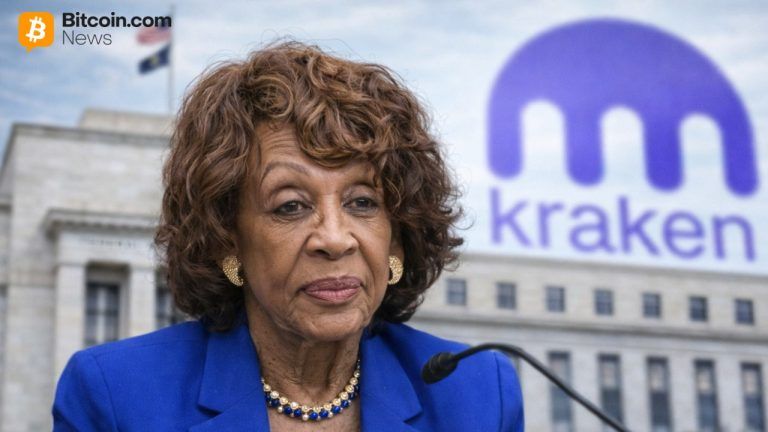
As the cryptocurrency market continues to gain traction, scrutiny over access to the U.S. payment system has intensified. Lawmakers are now questioning how Kraken, a prominent cryptocurrency exchange, secured approval from the Federal Reserve for a bank account. This development has raised fresh concerns regarding regulatory consistency, risk controls, and the integration of digital assets into the traditional financial system.
The approval of Kraken's Federal Reserve account has come under the spotlight as policymakers seek to understand the process by which a cryptocurrency exchange was granted access to the U.S. payment infrastructure. This move has raised questions about the criteria used by regulatory bodies to evaluate and approve such accounts, as well as the potential risks associated with integrating digital assets into the mainstream financial system.
One lawmaker has taken a proactive stance on this issue by pressing the Federal Reserve for more information regarding Kraken's account approval. The lawmaker is seeking clarity on the specific measures taken by the Federal Reserve to ensure that appropriate risk controls are in place to mitigate potential threats associated with cryptocurrency transactions. This includes concerns related to money laundering, fraud, and other illicit activities that could be facilitated through the use of digital assets.
The heightened scrutiny over access to the U.S. payment system underscores the growing importance of regulatory oversight in the cryptocurrency space. As digital assets become more mainstream, it is crucial for policymakers and regulatory bodies to establish clear guidelines and standards to ensure the integrity and security of the financial system.
The approval of Kraken's Federal Reserve account also raises broader questions about the future of digital asset integration into the traditional banking system. While cryptocurrencies offer numerous benefits, including faster and more efficient cross-border transactions, they also present unique challenges in terms of regulatory compliance and risk management.
Moving forward, it will be essential for regulators, financial institutions, and cryptocurrency exchanges to work together to address these challenges and create a framework that promotes innovation while safeguarding the integrity of the financial system. This will require ongoing collaboration and dialogue between all stakeholders to ensure that the integration of digital assets into the mainstream financial system is done in a responsible and sustainable manner.
Overall, the intensifying scrutiny over access to the U.S. payment system highlights the need for a comprehensive regulatory framework that balances innovation with risk management in the rapidly evolving cryptocurrency landscape. By addressing these issues proactively, policymakers can help foster a more secure and transparent financial ecosystem that benefits both traditional financial institutions and the growing cryptocurrency market.
Leave a Reply