
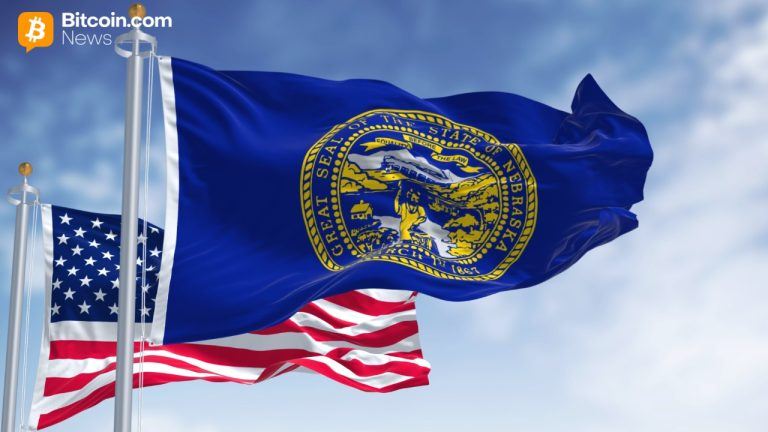
Nebraska is making significant strides in the world of digital assets with its pioneering digital-asset charter that is propelling regulated stablecoin banking into mainstream finance. This move is showcasing a growing institutional confidence in the cryptocurrency space, as well as a strengthened oversight in the industry. The state is also expanding tokenized payment options, positioning itself at the forefront of monetary infrastructure and fintech evolution.
The surge of interest in regulated digital-asset infrastructure is a part of a larger trend happening across the United States. Various states are exploring frameworks that could provide a regulatory structure for digital assets, including stablecoins. Stablecoins are a type of cryptocurrency that is pegged to a stable asset, such as a fiat currency like the U.S. dollar. This stability makes stablecoins an attractive option for businesses and individuals looking to transact in digital assets without the volatility often associated with other cryptocurrencies like Bitcoin.
Nebraska's decision to embrace regulated stablecoin banking is a significant move that signals a growing acceptance of digital assets in traditional financial systems. By providing a clear regulatory framework for stablecoins, Nebraska is creating a more secure environment for businesses and consumers to engage in digital asset transactions. This move is likely to attract more institutional investors and fintech companies to the state, further solidifying its position as a leader in the digital asset space.
The regulated stablecoin banking initiative in Nebraska is not just about embracing new technology; it is also about modernizing the state's financial infrastructure. By incorporating tokenized payment options into its banking system, Nebraska is setting the stage for a more efficient and streamlined payment ecosystem. Tokenized payments can offer lower transaction costs, faster settlement times, and increased transparency compared to traditional payment methods.
Furthermore, the move towards regulated stablecoin banking can have far-reaching implications for the broader financial industry. As more states and countries adopt similar frameworks, the use of stablecoins could become more widespread, challenging traditional banking systems and payment processors. This could lead to a more decentralized and efficient financial system that benefits consumers and businesses alike.
In conclusion, Nebraska's push towards regulated stablecoin banking is a significant development that highlights the increasing integration of digital assets into mainstream finance. By embracing stablecoins and tokenized payments, the state is not only positioning itself as a leader in fintech innovation but also paving the way for a more secure and efficient financial future.
Source: https://news.bitcoin.com/nebraska-moves-first-with-regulated-stablecoin-bank-charter/
Leave a Reply