
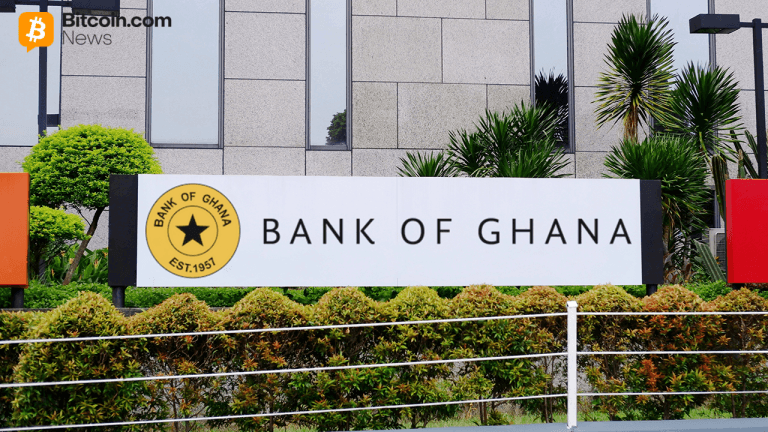
Ghana's central bank, the Bank of Ghana (BOG), is taking significant steps towards regulating virtual assets within the country. The move is aimed at fostering responsible crypto innovation while ensuring fair competition among all financial institutions operating in the sector.
The BOG has recognized the absence of a specific legal framework for regulating virtual asset service providers (VASPs) in Ghana. This gap in regulation has prompted the central bank to introduce a new policy to address the growing presence of virtual assets in the country's financial landscape.
By implementing regulations for VASPs, the Bank of Ghana aims to strike a balance between encouraging innovation in the crypto space and maintaining a level playing field for all financial institutions. The regulatory framework is expected to provide clarity and guidance for businesses and investors operating in the virtual asset sector, promoting transparency and accountability in the industry.
The decision to regulate virtual assets comes at a time when cryptocurrencies and other digital assets are gaining traction globally. Ghana, like many other countries, is recognizing the need to adapt its regulatory environment to accommodate the evolving financial landscape shaped by digital currencies.
The move by the Bank of Ghana also reflects a growing trend among central banks and regulatory authorities worldwide to address the challenges and opportunities presented by virtual assets. Regulating cryptocurrencies and other digital assets is seen as a way to mitigate risks such as money laundering, fraud, and market manipulation while harnessing the potential benefits of blockchain technology and decentralized finance.
The new policy on virtual assets regulation in Ghana is expected to provide a clear framework for VASPs to operate within the legal boundaries set by the central bank. This regulatory clarity is crucial for fostering investor confidence and ensuring the integrity of the financial system.
Furthermore, the regulation of virtual assets in Ghana is likely to promote responsible innovation in the crypto sector by setting standards for compliance and consumer protection. By creating a regulatory environment that encourages innovation while safeguarding against potential risks, the Bank of Ghana aims to support the growth of the digital asset market in the country.
Overall, the decision to regulate virtual assets in Ghana reflects a proactive approach by the central bank to adapt to the changing financial landscape and embrace the opportunities presented by cryptocurrencies and blockchain technology. By providing a regulatory framework for VASPs, the Bank of Ghana aims to promote a more secure and competitive environment for all participants in the virtual asset sector.
Leave a Reply