
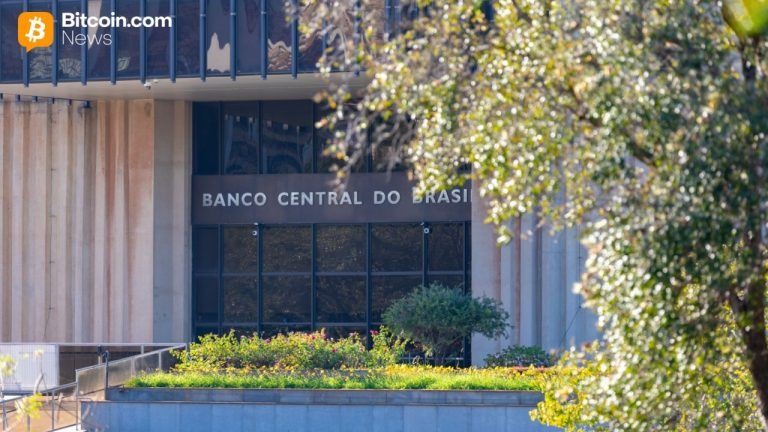
The Central Bank of Brazil has recently announced the completion of new regulations that will govern virtual asset service providers (VASPs) and transactions involving stablecoins in the country. This move is aimed at ensuring financial stability and reducing the potential misuse of these digital assets for illicit activities.
The regulatory director of the Central Bank, Gilneu Vivan, emphasized the importance of these rules in providing a clear framework for the operation of VASPs and the use of stablecoins within the Brazilian financial system. With the increasing popularity of cryptocurrencies and digital assets, the need for regulatory oversight has become more pressing to safeguard the integrity of the financial system and protect consumers.
The finalized regulations cover a wide range of aspects related to VASPs and stablecoin transactions. VASPs, which include cryptocurrency exchanges and wallet providers, will now be required to comply with anti-money laundering (AML) and combating the financing of terrorism (CFT) regulations. This will help prevent the misuse of virtual assets for illegal activities and enhance transparency in the sector.
Additionally, the regulations outline specific requirements for the issuance and redemption of stablecoins in Brazil. Stablecoins are digital assets pegged to a stable asset, such as a fiat currency, to minimize price volatility. By setting clear guidelines for stablecoin transactions, the Central Bank aims to ensure that these assets are used in a safe and transparent manner.
The Central Bank's focus on financial stability and consumer protection is in line with global trends towards regulating the cryptocurrency industry. Regulators around the world are increasingly recognizing the need to supervise digital asset activities to prevent risks to the financial system and combat illicit activities.
The new regulations will provide greater clarity and legal certainty for VASPs operating in Brazil, helping to foster a more secure and stable environment for the growth of the digital asset ecosystem. By establishing clear rules and standards, the Central Bank aims to promote innovation while safeguarding the integrity of the financial system.
Overall, the Central Bank of Brazil's decision to finalize regulations for VASPs and stablecoin transactions underscores the importance of regulatory oversight in the rapidly evolving cryptocurrency space. These measures are designed to enhance transparency, mitigate risks, and protect consumers, ultimately contributing to the responsible development of the digital asset sector in Brazil.
Leave a Reply