
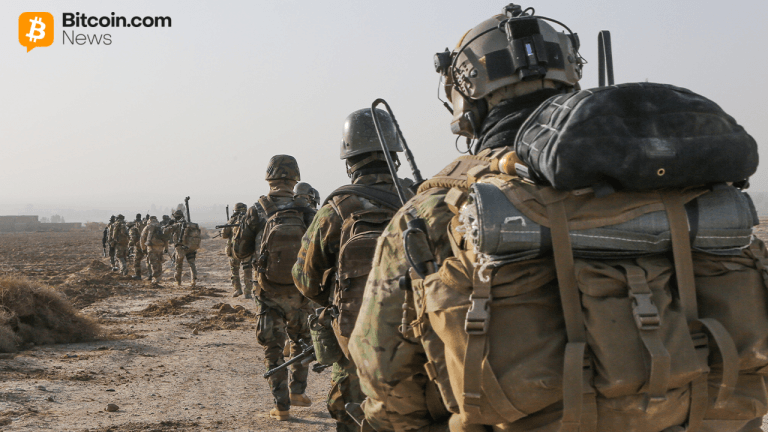
The Pentagon's recent deployment of tens of thousands of troops to the Middle East and development of contingency plans for potential limited ground raids inside Iran have raised concerns and speculation about escalating tensions in the region. As of March 29, 2026, at 5 p.m. Eastern time, no U.S. forces had crossed into Iranian territory.
The decision-making process regarding potential ground troops in Iran has become a focal point of attention, especially with former President Donald Trump reportedly playing a significant role in the discussions. The situation underscores the delicate balance between diplomatic negotiations and military actions in addressing international conflicts.
The Pentagon's strategic maneuvers come amidst escalating tensions between the United States and Iran, exacerbated by longstanding political disagreements and recent incidents in the region. The deployment of troops and the drafting of contingency plans indicate a proactive approach by the U.S. military to address potential threats and protect American interests in the Middle East.
While the specifics of the contingency plans remain confidential, the possibility of limited ground raids inside Iran has sparked debates and concerns about the potential repercussions of such military actions. The decision-making process involves a careful evaluation of the risks and benefits of deploying ground troops, considering the complex geopolitical landscape in the region.
Former President Trump's involvement in the discussions adds another layer of complexity to the situation, given his previous stance on Iran and the nuclear deal. His influence on the decision-making process raises questions about the direction of U.S. foreign policy and the potential implications of military interventions in the region.
As the situation continues to develop, diplomatic efforts are also underway to de-escalate tensions and find peaceful resolutions to the ongoing conflicts. The role of international organizations and diplomatic channels in mediating discussions between the U.S. and Iran remains crucial in preventing further escalation and promoting dialogue.
The deployment of troops and the consideration of ground raids inside Iran highlight the challenges and complexities of managing international relations in volatile regions. The decision-making process involves weighing military options against diplomatic solutions, with implications that extend beyond immediate military actions.
As the world watches closely, the decisions made regarding potential ground troops in Iran will have far-reaching consequences for regional stability and international relations. Balancing security concerns with diplomatic efforts is essential in navigating complex geopolitical dynamics and ensuring peaceful resolutions to conflicts in the Middle East.
Leave a Reply