
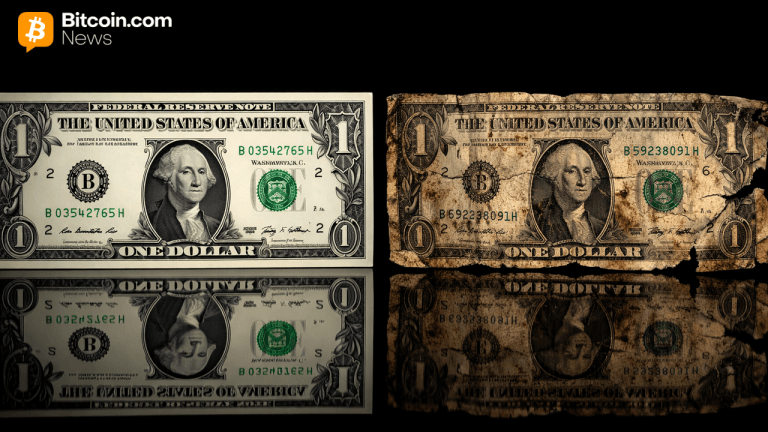
Amidst the surge in gold and silver prices to record highs in early 2026, there is a growing interest in understanding the implications of the U.S. dollar’s recent movements on U.S. policy, capital flows, and global markets. Two prominent analyses present contrasting interpretations of these developments.
One perspective is offered by Alexander Campbell, who previously served as the head of commodities at Bridgewater Associates. Campbell's analysis revolves around the idea that gold's rise is occurring within a dollar-based system. This viewpoint suggests that the increase in gold prices is influenced by the dynamics of the U.S. dollar and its role in shaping global economic policies.
According to Campbell, the recent strength in gold prices can be attributed to the fluctuations in the value of the U.S. dollar. As the dollar experiences shifts in its value, particularly in relation to other major currencies, it has a significant impact on the pricing of commodities like gold and silver. In this framework, gold is seen as a hedge against currency depreciation, making it an attractive investment during times of dollar volatility.
Furthermore, Campbell's analysis highlights the interconnected nature of global markets, where movements in the U.S. dollar reverberate across various asset classes and geographies. The fluctuations in the dollar can signal changes in investor sentiment, capital flows, and policy decisions, shaping the broader economic landscape.
On the other hand, there is an alternative perspective that offers a different interpretation of the relationship between the U.S. dollar and the surge in precious metal prices. This viewpoint challenges the notion that gold's rise is solely a reflection of dollar dynamics and instead considers broader market forces at play.
Proponents of this perspective argue that the rally in gold and silver prices is driven by a combination of factors, including geopolitical tensions, inflationary pressures, and shifting investor preferences. These factors contribute to the overall demand for safe-haven assets like gold, independent of the movements in the U.S. dollar.
Moreover, this analysis emphasizes the role of supply and demand dynamics in shaping the prices of precious metals. Factors such as production levels, mining output, and industrial demand all play a significant role in determining the value of gold and silver, alongside macroeconomic indicators like currency movements.
In conclusion, the diverging analyses on the relationship between the U.S. dollar and the surge in gold and silver prices underscore the complexity of global financial markets. While Campbell's perspective emphasizes the influence of dollar dynamics on precious metal prices, the alternative viewpoint brings attention to a broader set of factors driving the current market trends. Understanding these dynamics is crucial for investors and policymakers seeking to navigate the evolving landscape of global finance.
Leave a Reply