
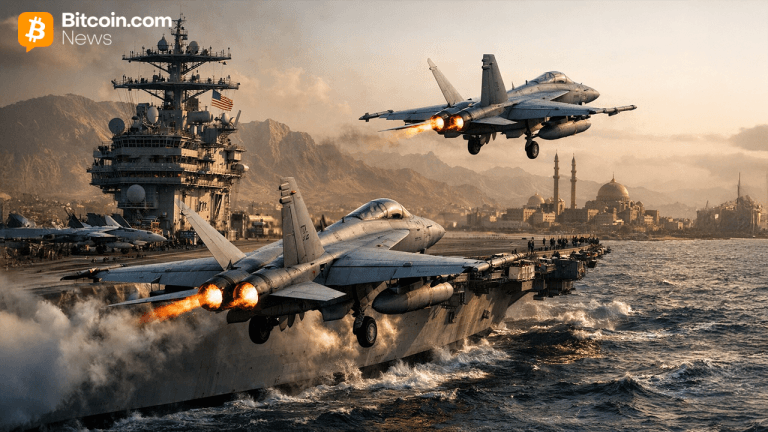
A potential U.S. military strike on Iran has been a topic of concern for many geopolitical analysts and experts. Recently, Xueqin Jiang, the host of the Predictive History channel, shared his insights on the potential consequences of such a strike in a YouTube interview. According to Jiang, a military conflict with Iran could have far-reaching implications, triggering a prolonged regional conflict and significant disruptions in the global economy.
Jiang argues that any military action against Iran could set off a chain of events that would have ripple effects across various aspects of global trade. Iran is a key player in the Middle East region, and any conflict involving the country could destabilize the entire region. This instability could lead to disruptions in crucial trade routes, particularly those related to oil and gas transportation.
The Middle East is home to some of the world's largest oil reserves, and any disruption in the region could have a significant impact on global energy markets. Iran, in particular, is a major oil producer, and any military conflict involving the country could result in disruptions to its oil production and exports. This, in turn, could lead to a spike in oil prices worldwide, affecting not only the energy sector but also various other industries that rely on stable energy prices.
Furthermore, a military strike on Iran could escalate tensions not only in the Middle East but also globally. Iran has allies and strategic partnerships in various parts of the world, and any conflict involving the country could draw in other nations and further escalate the situation. This could lead to a broader conflict with potential implications for global security and stability.
In addition to the immediate security and economic concerns, a military strike on Iran could also have long-term geopolitical repercussions. The balance of power in the region could shift, leading to changes in alliances and strategic dynamics. This could have implications for future conflicts and negotiations in the region, potentially reshaping the geopolitical landscape in the Middle East and beyond.
Overall, Jiang's analysis highlights the complex and interconnected nature of global geopolitics and the potential consequences of a military conflict with Iran. As tensions continue to simmer in the region, it is crucial for policymakers and stakeholders to consider the wide-ranging impacts of any potential military action and work towards peaceful resolutions to avoid further instability and disruption in the global economy.
Leave a Reply