
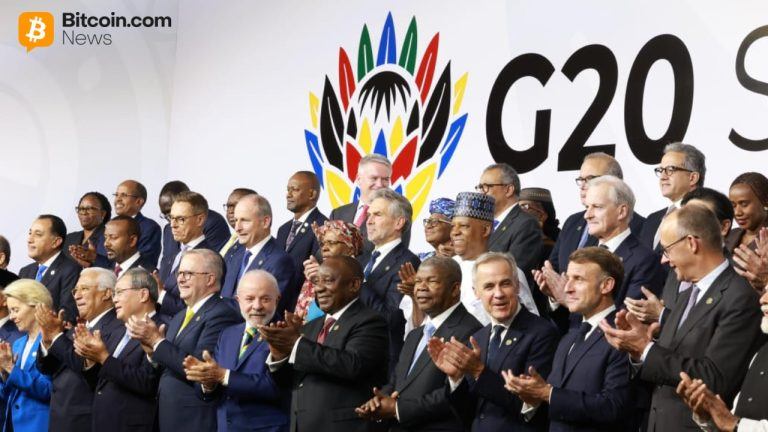
The world of cryptocurrency is on the brink of significant changes as global regulation of digital assets is poised to accelerate. The G20, a group of major economies, has signaled its support for sweeping oversight and unified standards in the rapidly expanding crypto market. This move is expected to usher in a new era of financial-technology governance that could reshape digital asset markets worldwide.
The G20's commitment to establishing a unified path for overseeing digital assets was outlined in the Leaders' Declaration issued on November 22 at the South Africa summit. This declaration marks a significant step towards creating a cohesive regulatory framework for cryptocurrencies and other digital assets.
The push for increased regulation comes at a time when the cryptocurrency market is experiencing unprecedented growth and mainstream adoption. With the rise of decentralized finance (DeFi) platforms, non-fungible tokens (NFTs), and other innovative applications of blockchain technology, regulators are grappling with how to effectively oversee these emerging digital assets.
One of the key objectives of the G20's unified approach to digital asset oversight is to address concerns around consumer protection, financial stability, and anti-money laundering efforts. By establishing common standards and best practices, regulators aim to create a more transparent and secure environment for participants in the crypto market.
The move towards enhanced regulation is also driven by a recognition of the potential benefits of digital assets, such as increased financial inclusion, greater efficiency in cross-border transactions, and enhanced innovation in the financial sector. However, these benefits must be balanced with the need to mitigate risks associated with market volatility, fraud, and illicit activities.
As governments and regulators around the world grapple with how to regulate the fast-evolving crypto landscape, the G20's unified approach is seen as a step in the right direction. By working together to develop consistent regulatory frameworks, countries can avoid fragmentation and regulatory arbitrage, which can hinder innovation and create uncertainty for market participants.
In the coming months, stakeholders in the crypto industry can expect to see increased regulatory scrutiny and compliance requirements as the G20's unified path for digital asset oversight takes shape. While some may view enhanced regulation as a challenge, others see it as an opportunity to establish a more mature and sustainable market that can attract institutional investors and mainstream adoption.
Overall, the G20's commitment to accelerating global crypto regulation signals a new chapter in the evolution of digital assets, one that is likely to shape the future of the crypto market for years to come.
Leave a Reply