
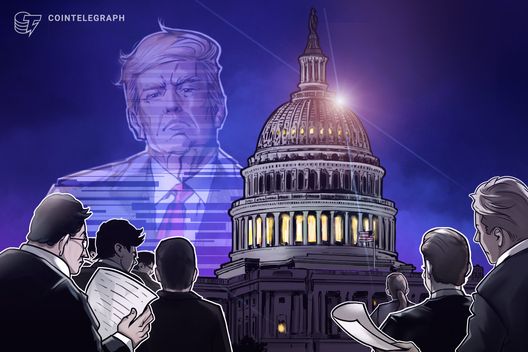
After a historic 43-day government shutdown, US President Donald Trump has signed a bill to end the impasse and resume federal operations. The shutdown, which began on December 22nd, 2018, became the longest in US history and had far-reaching implications across various sectors, including the economy, national security, and public services.
The shutdown was a result of a deadlock between President Trump and Congress over funding for a border wall along the US-Mexico border. Trump had demanded $5.7 billion for the construction of the wall, arguing it was necessary for national security and to address illegal immigration. However, Democrats opposed the funding, leading to a budget impasse that left around 800,000 federal workers furloughed or working without pay.
The impact of the shutdown was felt nationwide, with national parks closing, airport security staff working without pay, and vital services such as food inspections and tax refunds being delayed. The economy also took a hit, with estimates suggesting it cost the US economy billions of dollars in lost productivity and economic activity.
The bill signed by President Trump not only ends the shutdown but also provides funding for the government through February 15th, allowing federal agencies to resume operations and federal workers to receive their back pay. The bill does not include funding for a border wall, but instead sets up a bipartisan committee to negotiate border security measures.
The agreement represents a temporary reprieve from the political gridlock that has characterized Washington in recent weeks. It also reflects the growing pressure on both parties to find a compromise that will prevent future shutdowns and address the underlying issues that led to the impasse.
The resumption of federal operations will come as a relief to federal workers who have been facing financial hardships during the shutdown. Many workers had resorted to taking out loans, visiting food banks, or seeking temporary employment to make ends meet. With the government reopening, employees can now expect to receive their paychecks and return to work.
While the bill provides a temporary solution, it does not address the broader issues of immigration reform and border security that have divided lawmakers. The debate over funding for a border wall is likely to continue, with Democrats and Republicans still at odds over the best approach to address immigration challenges.
As the government reopens and federal operations resume, the focus will now shift to the bipartisan committee tasked with negotiating border security measures. The outcome of these negotiations will have significant implications for the future of US immigration policy and the possibility of avoiding another government shutdown in the
Leave a Reply