
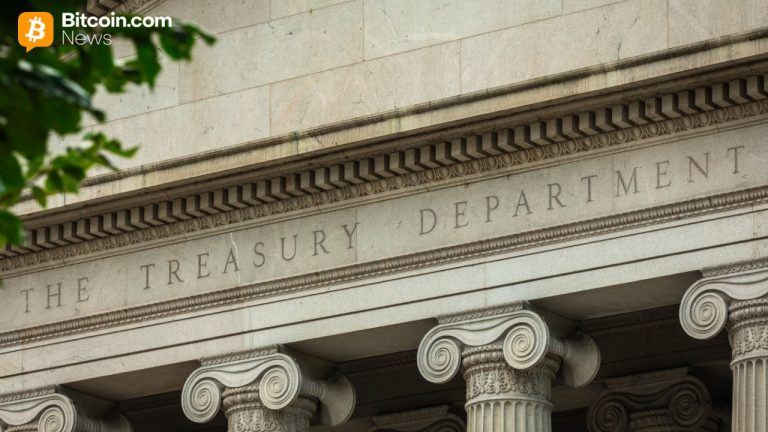
The recent U.S. tax reforms are paving the way for a significant shift in the landscape of crypto investment trusts. These reforms are providing a clear and protected federal framework for these trusts to stake digital assets while maintaining their crucial tax classification status. This development marks a significant step forward in the regulatory environment for digital assets in the United States.
The U.S. Department of the Treasury and the Internal Revenue Service (IRS) have established a clear tax path for digital asset staking. Staking involves holding digital assets in a wallet to support a blockchain network's operations and earn rewards in return. This practice has become increasingly popular in the crypto space as a way to earn passive income on digital assets.
Under the new tax framework, crypto investment trusts can now stake digital assets without jeopardizing their tax classification status. This development addresses a key concern for these trusts, as the tax treatment of staking activities was previously uncertain. By providing clarity on the tax implications of staking, the IRS and Treasury are creating a more favorable environment for crypto investment trusts to engage in these activities.
The ability to stake digital assets under a protected federal framework is expected to drive increased interest and participation in staking activities among crypto investment trusts. This, in turn, could lead to greater liquidity and stability in the digital asset market, benefiting both investors and the broader crypto ecosystem.
Moreover, the clarity provided by the IRS and Treasury on the tax treatment of staking activities is a positive signal for the broader crypto industry. Regulatory clarity is crucial for fostering innovation and investment in the digital asset space, and the recent tax reforms represent a step in the right direction.
The United States has been taking steps to provide regulatory clarity and support for the crypto industry in recent years. The establishment of a clear tax framework for digital asset staking is another example of the government's efforts to create a conducive environment for crypto businesses to operate and grow.
Overall, the groundbreaking U.S. tax reforms are unlocking a new era for crypto investment trusts, enabling them to stake digital assets under a protected federal framework while maintaining their tax classification status. This development is expected to have a positive impact on the crypto industry, fostering growth, innovation, and stability in the digital asset market.
Leave a Reply